
Blackpool-born poet Kathy Finney explores dialect, identity, and memory through a distinctly northern voice. A mother of three and lifelong learner, she holds degrees in English, Poetry and Creative Writing. Her poetry draws from Lancashire tradition, folklore, and persona as a poetic device— amplifying untold stories and lending shape to memory and place.
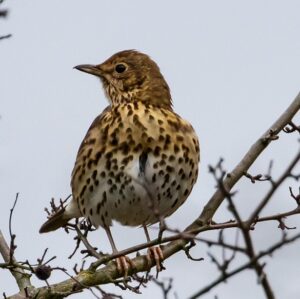
Throstle in France
Just a line
to let thee know am well
an’ that thi letter came.
It cheers me
to read aboot whome.
Preesall’s a gradely place
when blozzums oot
an’ fleawers are comin’ on
a blazzin.
Here summer burns
an’ spreads its embers
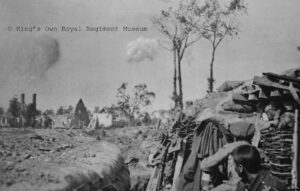
on a land that’s seen
better days.
Theer’s nee hedgeroows left
in France it seems.
Nee heckberries to pick
nee leef-buds
unfurlin.’
Tell me Mother
has owd throstle in’t sycamore tree
found a mate?
Mi that brid could warble.
Ah should like to be wi’ thee
when he begins to sing.
****
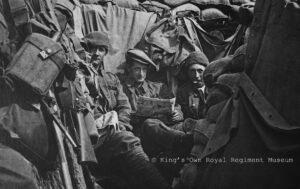
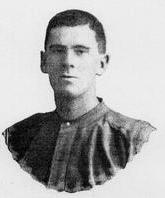
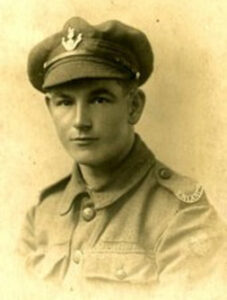
for L/Cpl John Dodgson (1893-1915)
1st/5th King’s Own Royal Lancaster Regiment
[Throstle Lancashire dialect for Song Thrush]
Kathy Finney
Gilbert’s Garden by Kathy Finney
Image Credits:
All Imperial War Museum Images: © Crown copyright reproduced under delegated authority from The Keeper of Public Records.
IWM (Q 53320): British infantry troops positioned in a roadside ditch, looking out for the enemy. Belgium, 13 October 1914.
Man Thinking: StockSnap via Pixabay